Gut microbe genes linked to poorer thinking skills in older adults
An observational cohort linked gut microbial genes to cognitive test scores in 223 adults aged 60 or older who provided stool samples over four years.
Our read
Mechanisms- Studied:
- Cohort study of 223 older adults with varying cognitive status, 4 y
- What changed:
- Gut microbial genes involved in urea, polyamine, and methionine metabolism were linked to poorer thinking skills in older adults
- The catch:
- Age could explain the link between gut microbes and thinking skills
Editor of record: Boris Djordjevic · AgingResearch.News
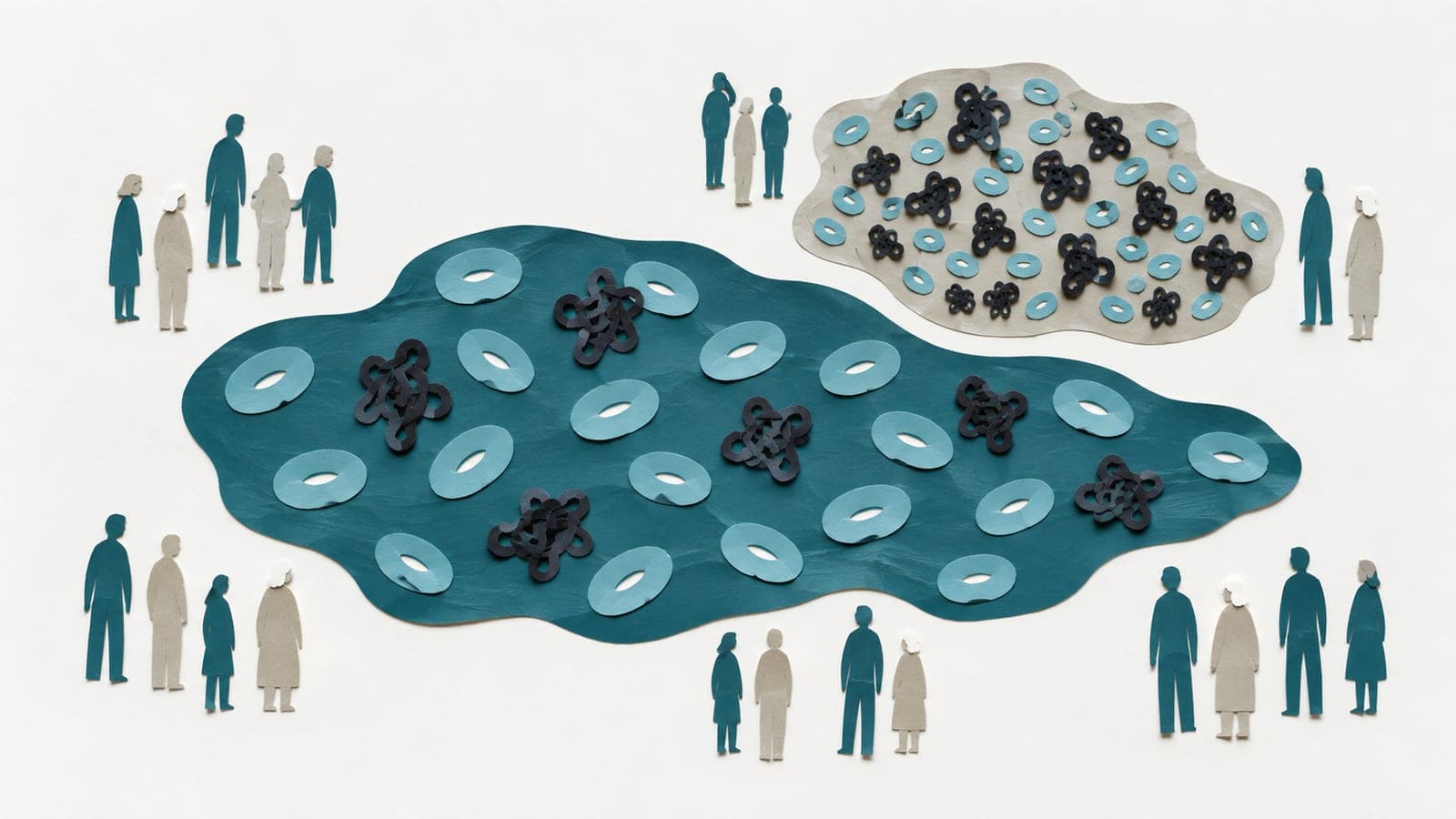
Adults aged 60 or older living independently in Massachusetts joined an observational cohort that recruited 260 people. Of these, 223 provided 856 stool samples over four years. Their average age was 71.5, and 63.7% were female. They included 158 cognitively healthy adults, 40 with mild cognitive impairment—thinking problems that did not disrupt daily functioning—and 25 with clinically diagnosed Alzheimer’s disease.
The researchers sequenced microbial DNA from stool and used statistical models to examine links between microbial genes and cognitive test performance. Genes involved in the urea cycle, which processes nitrogen waste, and in making polyamines, molecules involved in cell functions, were linked to worse performance. So were genes involved in processing methionine and cysteine, two amino acids.
Why it matters
For understanding cognitive decline in Alzheimer’s disease, the authors point to microbial chemical processes that may contribute to the disease.
Caveats
Cognitive impairment and accompanying changes in nutrition, frailty or medication use could have affected gut microbes, rather than the microbes worsening cognition. Recruitment excluded people who had used antibiotics in the preceding 60 days and those with other neurodegenerative diagnoses.
From the paper
- Limitation
This study is also limited given the absence of host metabolomics, blood‒brain barrier integrity measures, and CSF and plasma markers.
Quoted word for word from the full text on PubMed Central.
- Gut microbiome
- Amino acid metabolism
- Methionine and one-carbon metabolism
- Mild cognitive impairment
- Cognitive impairment
- Humans
The paper
University of Massachusetts Chan Medical School
Gut Microbes, May 24, 2026, Open access

Comments
Be the first to comment.