Revised loneliness scale shows promise in Chinese older adults
The 12-item questionnaire’s scores closely tracked the original scale, with a correlation of 0.877, in 300 Chinese adults aged 50–70.
Our read
Biomarkers- Studied:
- Cross-sectional study of 300 community-dwelling Chinese adults aged 50–70 years
- What changed:
- People scoring higher on the revised loneliness scale also scored higher on the original scale
- The catch:
- The scale's two factors overlapped strongly, limiting their interpretation as distinct subscales
Editor of record: Boris Djordjevic · AgingResearch.News
Chinese adults aged 55 and older—250 in total—completed a 20-item loneliness questionnaire in the first phase of a two-phase validation study. The results suggested that positive and negative wording affected patterns of answers.
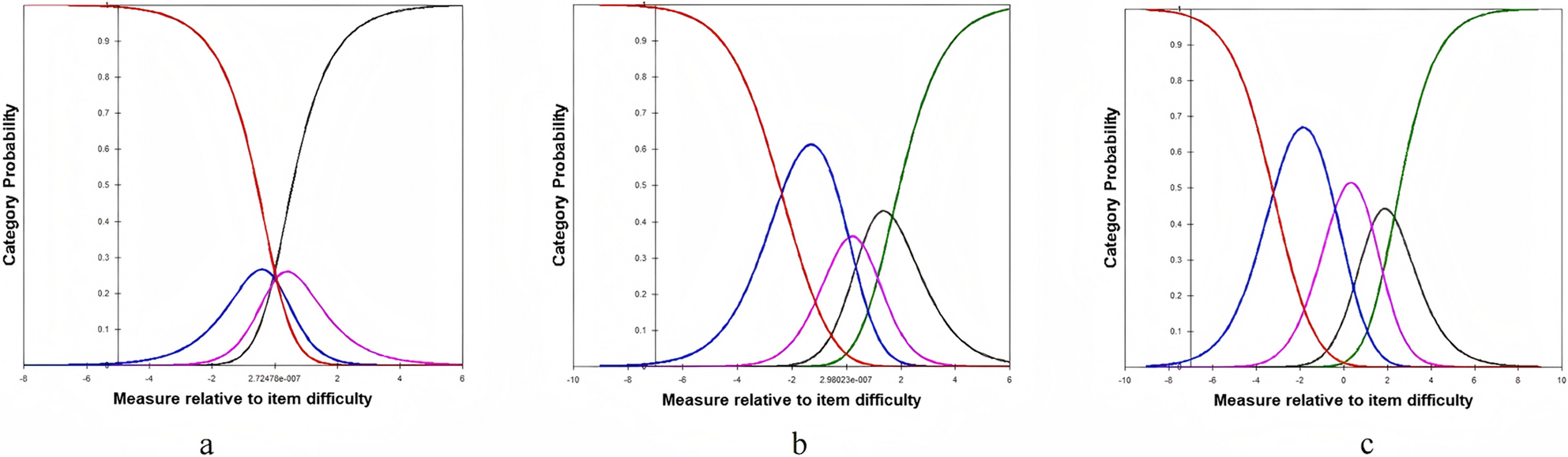
The researchers then tested a revised questionnaire in a new community sample of 300 Chinese adults aged 50–70. Its 12 questions used positive wording and five response options describing how closely each statement reflected participants’ feelings. Responses showed high internal consistency, meaning the questions tended to measure the same underlying concept. Scores also tracked both the original questionnaire and a single loneliness question, providing preliminary evidence that the revision measured loneliness. Further analysis suggested that the revised questions better matched participants’ loneliness levels than the original scale did.
Why it matters
Loneliness in later life poses a public health challenge. Culturally appropriate questionnaires may help primary care and community services identify people at risk.
Caveats
The validation assessed consistency and agreement among questionnaire responses, leaving open how well the scale would identify people needing support in practice. Testing covered 300 community adults aged 50–70, leaving its performance in older age groups and clinical populations open.




Comments
Be the first to comment.