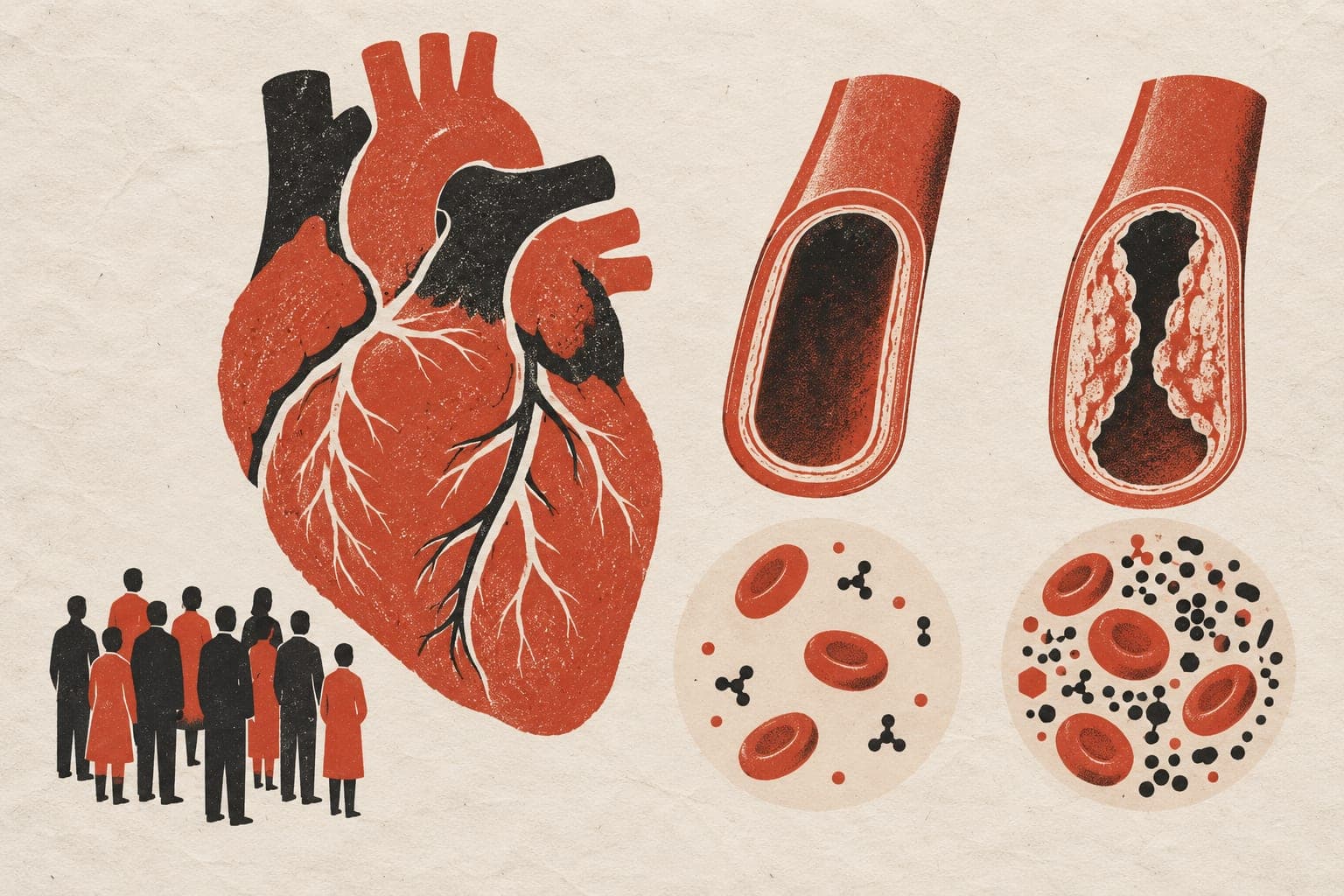
Red blood cell variation is linked to higher hip fracture risk
Each one-percentage-point increase in red blood cell distribution width was linked to an 8% higher hazard of hip fracture over 14 years.
BMC Geriatrics
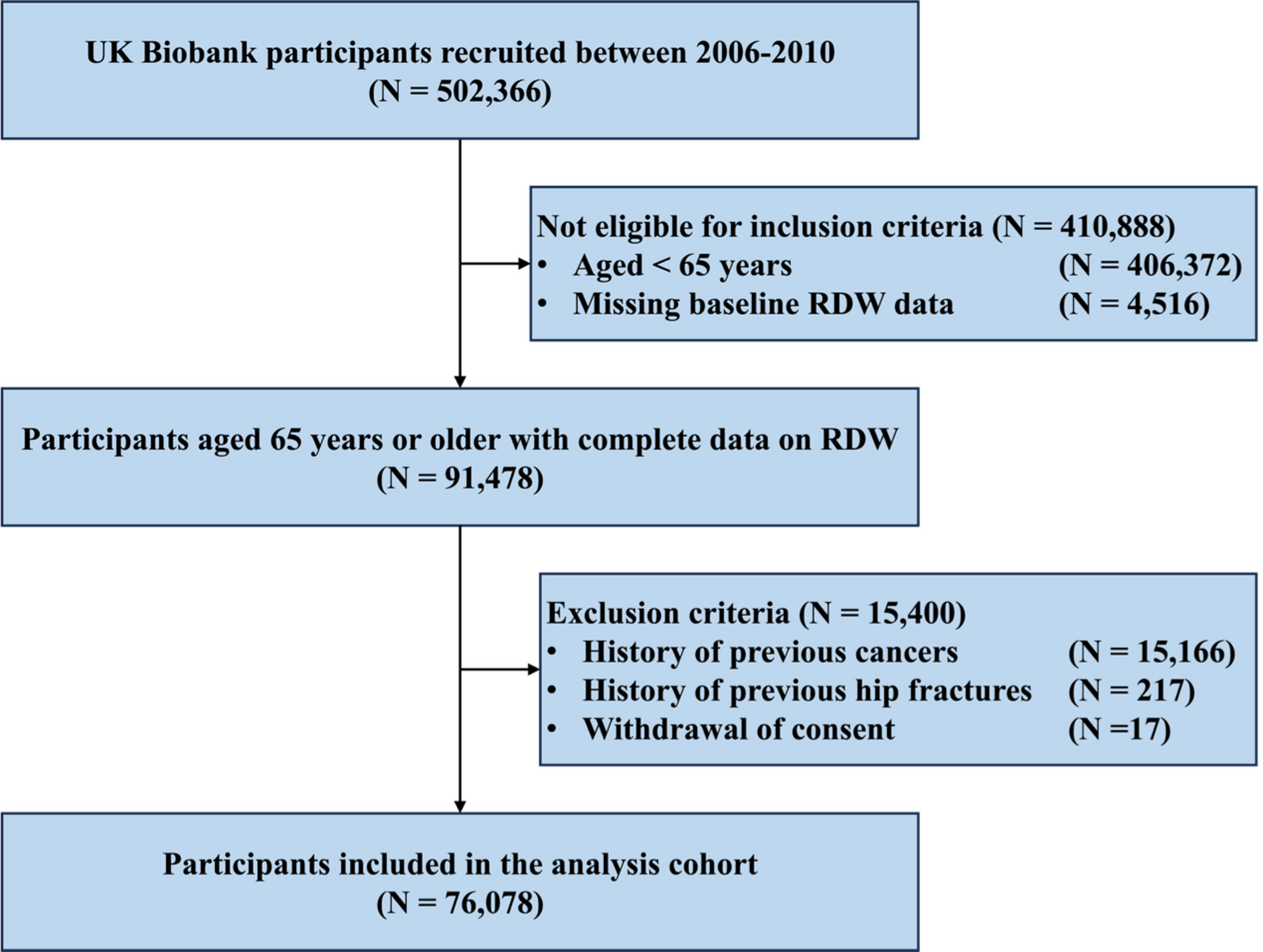
In a prospective cohort study, researchers followed 76,078 UK Biobank participants aged 65 to 73 years who had no prior history of hip fracture. They evaluated red blood cell distribution width, a routine blood count measurement that tracks how much red blood cells vary in size. Over a median follow-up of 14.06 years, 2,016 participants sustained a hip fracture. Each one-percentage-point increase in this measure was associated with an 8% higher hazard of hip fracture after adjusting for relevant confounders. The association showed no evidence of nonlinearity, and researchers found no evidence of effect modification by sex or anaemia, a shortage of healthy red blood cells.
Why it matters
Hip fractures are a serious health event in older adults that can impair independence. Because red blood cell distribution width is already measured in routine blood tests, the authors suggest it may warrant further evaluation as part of fracture risk prediction models.
Caveats
Because this was an observational study, it cannot determine whether red blood cell variation causes hip fractures. The analysis also relied on baseline blood measurements taken at recruitment.
The paper
Chinese PLA General Hospital
BMC Geriatrics · 7 Oct 2026 · CC BY-NC-ND