Hormone therapy not linked to fewer deaths after premature menopause
Over 10 years, 1.6% of hormone therapy users died versus 1.7% of nonusers; hospitalization, worsening heart failure and blood-clot hazards were higher among users.
Our read
Interventions- Studied:
- Cohort study of women with premature menopause, 10 years, against hormone therapy nonusers
- What changed:
- Death from any cause did not differ: 1.6% among hormone therapy users versus 1.7% among nonusers over 10 years
- The catch:
- Reasons for prescribing hormone therapy could explain outcome differences despite matching
- In the record:
- The 499th paper on hormone replacement therapy with results in people; 985 on record in all. Its result on venous thromboembolism agrees with 7 of 9 other findings on record; 1 points the other way and 1 found no change.
Editor of record: Boris Djordjevic · AgingResearch.News
Women aged 18 to 40 with premature menopause were compared in an observational study using the TriNetX Analytics Network. Among 78,081 women, researchers matched 4,613 hormone therapy users with 4,613 nonusers based on demographics, cardiovascular medications and other health conditions.
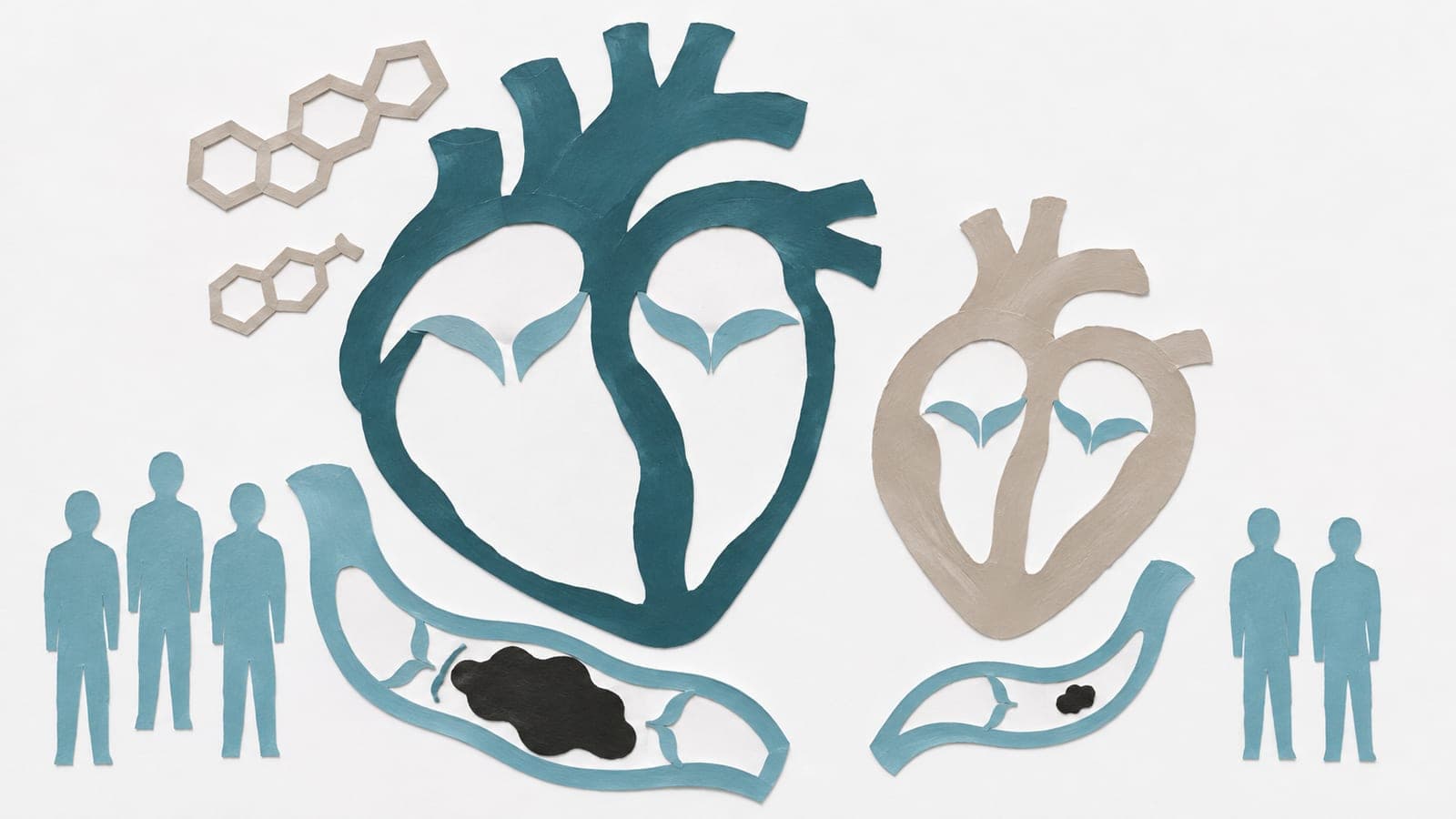
Hormone therapy was not linked to lower mortality or fewer heart attacks or strokes over 10 years. It was associated with higher hazards of hospitalization for any reason, which occurred in 32.0% of users versus 31.0% of nonusers. Worsening heart failure occurred in 4.2% versus 2.9%, and blood clots in veins in 1.8% versus 1.4%, respectively; both also had higher hazards among users. The authors supported assessing each woman’s cardiovascular and blood-clot risks before treatment.
Why it matters
Premature menopause is linked to higher cardiovascular risk, making the long-term balance of benefits and harms of hormone replacement an important question for care.
Caveats
Differences in why women received hormone therapy could have contributed to the outcomes despite matching. The findings concern women aged 18 to 40 with premature menopause, not women reaching menopause later; the conference abstract did not specify hormone doses or treatment duration.
- Hormone replacement therapy
- Premature menopause
- Acute myocardial infarction
- Heart failure exacerbation
- Osteoporosis
- Humans
The paper
Hormone Replacement Therapy and Ten Year Cardiovascular Outcomes in Women with Premature Menopause
Interfaith Medical Center
AHA Scientific Sessions 2026 Abstract, Nov 2, 2026
Presented at AHA Scientific Sessions 2026, abstract 8620
Comments
Be the first to comment.