Heart amyloidosis therapy is linked to lower mortality
Mortality at 24 months was 18% in untreated patients versus 13% in treated patients, with similar benefits in women and men.
Limit: Women were underrepresented, accounting for only 17% of the analyzed patients
Edited by Boris Djordjevic · AgingResearch.News
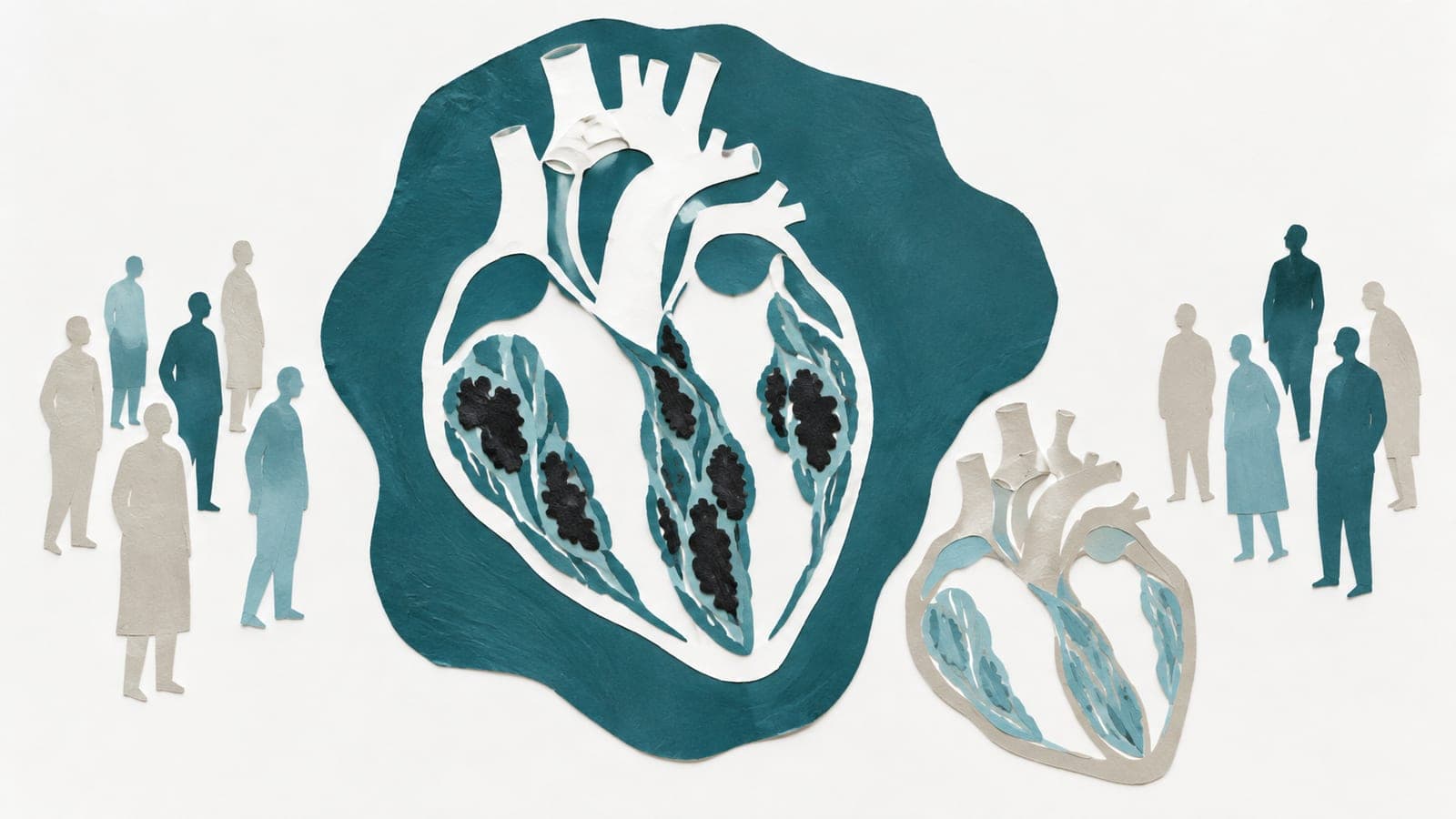
An observational study analyzed 4,049 patients with transthyretin wild-type cardiac amyloidosis, a heart condition caused by abnormal protein deposits, across 30 French referral centers. Women made up 17% of the cohort, with 687 patients. At diagnosis, women were 3.8 years older than men but showed less advanced heart remodeling. Treatment allocation differed modestly by sex, with women slightly less represented among treated patients. Overall, disease-modifying therapy, primarily tafamidis, was associated with reduced mortality. At 24 months, mortality was 18% in untreated patients versus 13% in treated patients. Survival benefits were consistent in women and men. The benefit was more pronounced in patients younger than 80 years, with a 7% absolute risk reduction, compared with 3% in patients aged 80 years or older.
Why it matters
Cardiac amyloidosis primarily affects older adults, and understanding how age and sex alter disease progression helps clarify how aging hearts remodel over time. The findings highlight how therapeutic timing in age-related heart conditions can influence survival across different age groups.
Caveats
Because this was an observational study rather than a randomized trial, treatments were not randomly assigned, and unmeasured differences between groups could have influenced survival. In addition, women were underrepresented, accounting for only 17% of the analyzed patients.
The paper
University Hospital Henri Mondor
ESC Congress 2026 Abstract, Oct 26, 2026
Presented at ESC Congress 2026