Digital outreach increased uptake of heart failure medicines
A mini-review of a Danish randomized trial found that an emailed letter and specialist contact increased prescription collection within six months.
Our read
Interventions- Studied:
- Randomized trial in adults with heart failure, 24 months, against usual care
- What changed:
- Prescription collection was higher with an emailed letter and specialist contact than with usual care
- The catch:
- Prescription collection was measured instead of confirmed medicine use
- Why it’s aging research:
- It studies an intervention with evidence of extending healthy life.
Editor of record: Boris Djordjevic · AgingResearch.News
Danish adults aged 20 or older with heart failure took part in a randomized controlled trial examined in this mini-review. None were receiving SGLT2 inhibitors, a class of heart failure medicines.
Participants received either usual care or an emailed letter explaining these medicines, followed by contact with a heart failure specialist. The main outcome was whether they collected a prescription for dapagliflozin or empagliflozin within six months. The digital strategy increased the proportion who did so. The trial found no difference in heart failure hospitalization or death from any cause over 24 months.
Why it matters
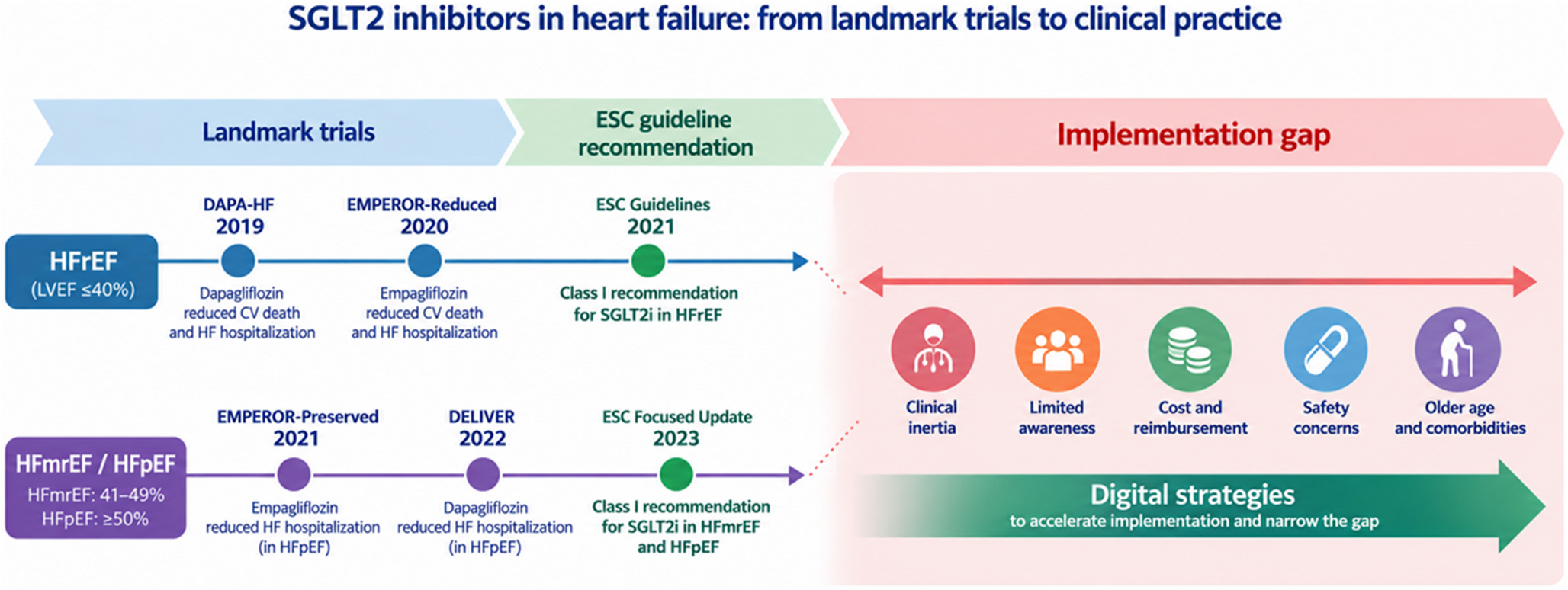
Heart failure care faces a gap between scientific evidence and routine practice. The review examined digital outreach as a way to help evidence-based medicines reach people with the condition.
Caveats
The main outcome measured prescription collection, not confirmed medicine use. Whether modest gains in uptake could deliver sustained, scalable and cost-effective benefits across different healthcare systems remained uncertain.
Where the evidence stands
SLC5A2
- 10 independent labs in 8 countries
- 289 trials, 64 with no results posted
- Funders: Japan Society for the Promotion of Science and others
- 4 of 16 findings with company ties
- 273 of 289 trials sponsored by developers of drugs aimed at it
Comments
Be the first to comment.