Research progress on the role of geniohyoid muscle ultrasound in the assessment of swallowing function in critically ill elderly patients
Abstract
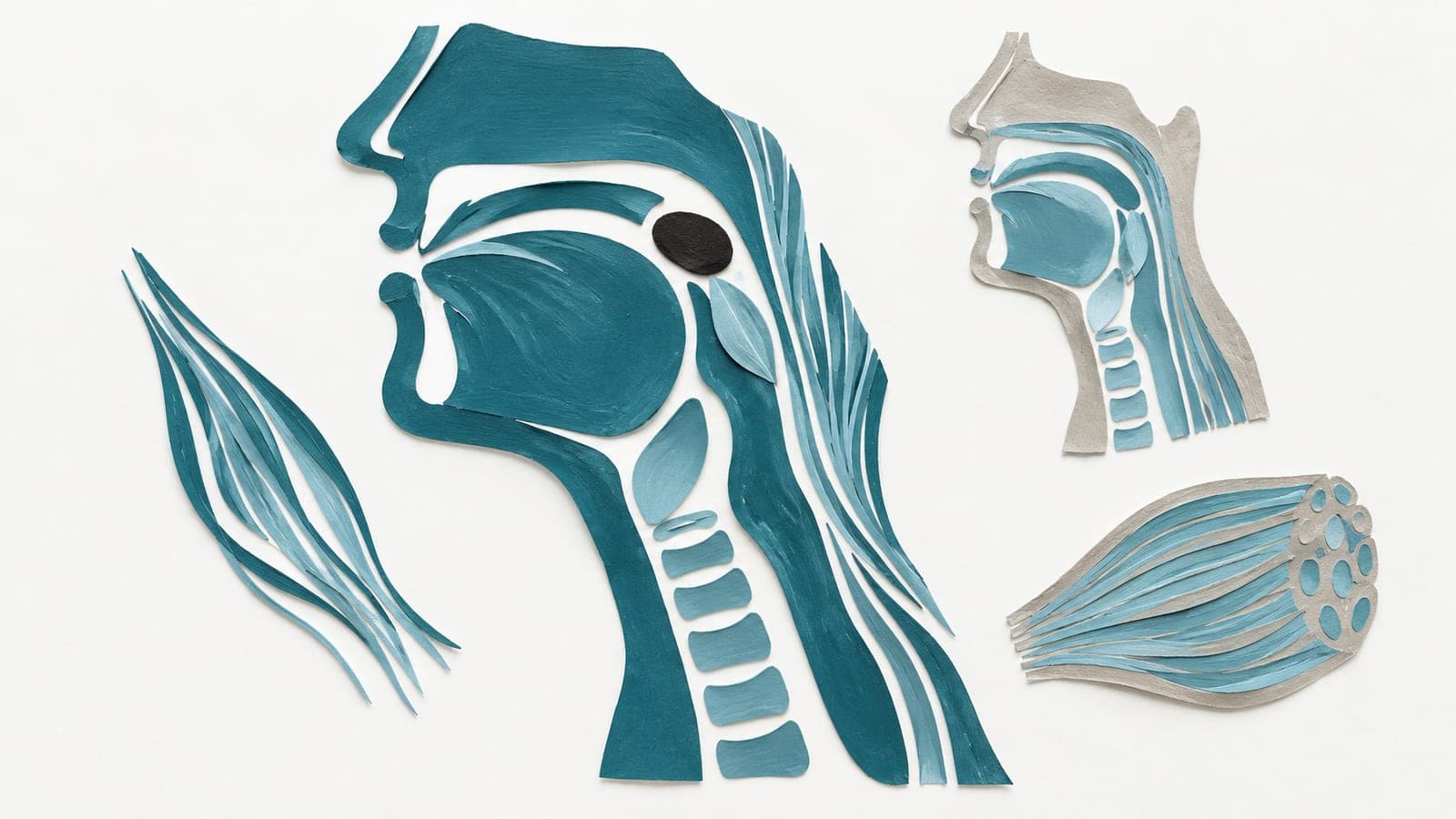
Swallowing dysfunction severely affects the quality of life in elderly individuals. In China, the prevalence of dysphagia among people aged 80 years or older is 41%, with even higher rates seen in critically ill elderly patients. Currently, available methods for assessing swallowing function are complex to perform and inconvenient for bedside evaluation. However, this functional disorder, which is common and has a significant impact on prognosis in critically ill elderly patients, has not received widespread attention from intensivists. With the increasing use of ultrasound in critical care, identifying a convenient and reliable ultrasound method for evaluating swallowing function will offer more tools for precise monitoring, scientific intervention, therapeutic assessment, and prognostic evaluation of swallowing function in critically ill patients. Atrophy of the geniohyoid muscle is an important factor in reduced swallowing safety and aspiration in the elderly. Using ultrasound to measure the cross-sectional area, movement, and muscle quality changes of the geniohyoid muscle in the sagittal plane to evaluate swallowing function has demonstrated good accuracy and operability. This article summarizes the pathogenesis of swallowing dysfunction, the role of the geniohyoid muscle in swallowing, the progress of research on ultrasound detection of the geniohyoid muscle, and the methods of ultrasound measurement of the geniohyoid muscle. The aim is to provide a reference for research and application of ultrasound evaluation of swallowing function in critically ill elderly patients.
- Geniohyoid muscle ultrasound
- Critical illness
- Dysphagia
- Geniohyoid muscle atrophy
- Geniohyoid muscle cross-sectional area
- Humans
The paper
Tianjin Hospital
Zhonghua Wei Zhong Bing Ji Jiu Yi Xue, Sep 1, 2026
doi.org/10.3760/cma.j.cn121430-20260401-00152PubMed 42875249