Left-turn avoidance linked to cognitive decline in older adults
Movement to a more severe cognitive category was linked to lower left-turn odds; the odds ratio, comparing odds between conditions, was 0.98 in 106 older adults.
Transportation Research Interdisciplinary Perspectives
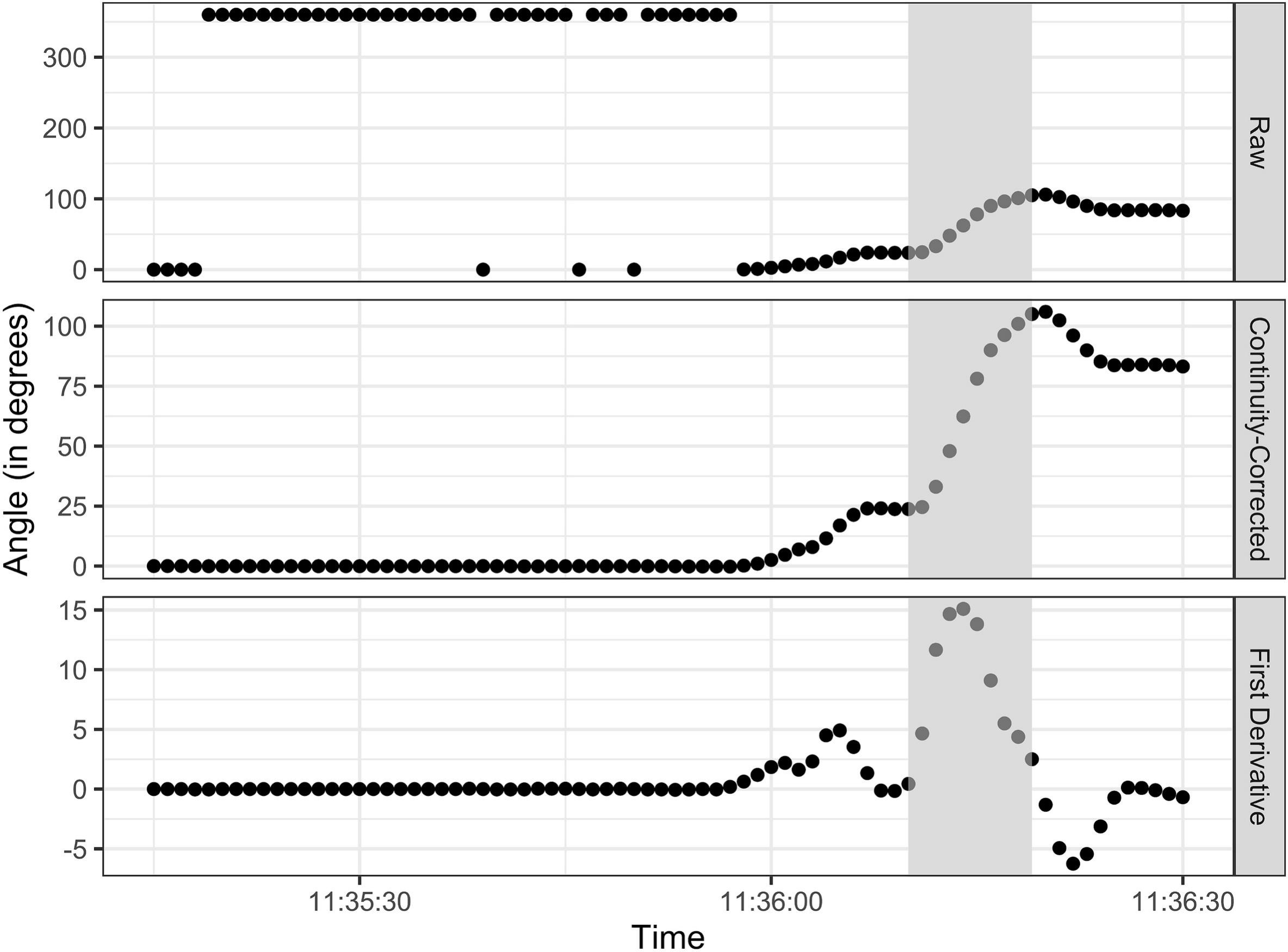
In an observational study of 106 older adults, researchers assessed thinking abilities at the start and again one year later. Sensors in participants’ vehicles recorded driving behaviour over 12 weeks. The team identified 216,531 turns from changes in the direction the vehicles faced. They analysed how changes in cognitive status between assessments were associated with the odds of turning left.
Movement to a more severe category of cognitive impairment, meaning difficulties with thinking abilities, was associated with lower odds of turning left. The odds ratio was 0.98. The authors suggested that left-turn avoidance may be a behavioural marker of early cognitive decline.
Why it matters
The work addresses whether passive driving records could reveal changes in everyday functioning early enough to help preserve older adults’ mobility and independence.
Caveats
The observational design cannot show that cognitive decline caused left-turn avoidance. The findings came from 106 older adults, with driving recorded for 12 weeks.
The paper
Turns and downturns in aging drivers
Iowa State University · University of Nebraska Medical Center
Transportation Research Interdisciplinary Perspectives · 26 Aug 2026