High blood pressure often uncontrolled in older Chinese adults
Among adults aged 60 and older in China, 53.1% had high blood pressure; 33.7% of those with the condition had it controlled.
Our read
Populations- Studied:
- Cross-sectional study of 7,733 Chinese adults aged 60 and older (Dose-response)
- What changed:
- Only 33.7% of older Chinese adults with high blood pressure had it under control
- The catch:
- Individual blood pressure changes with aging were not tracked
- In the record:
- The 2,062nd paper on diabetes mellitus with results in people; 10,184 on record in all. Its result on hypertension agrees with all 30 other findings on record.
Editor of record: Boris Djordjevic · AgingResearch.News
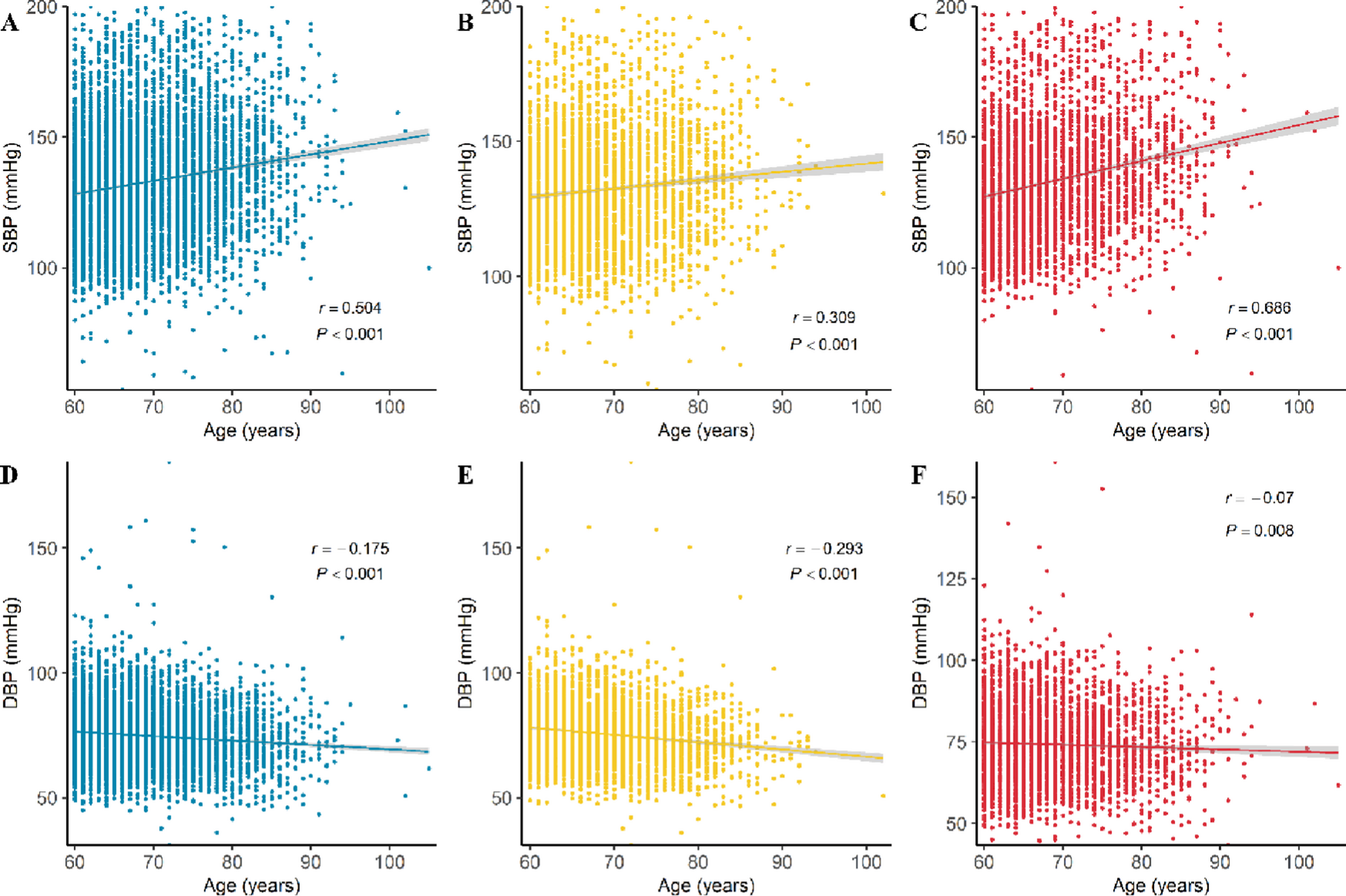
Among 7,733 adults aged 60 and older in China, an observational analysis found that 53.1% had hypertension, or high blood pressure. Researchers analyzed 2015 data from the China Health and Retirement Longitudinal Study.
Among participants with high blood pressure, 74.1% knew they had the condition, 54.5% received treatment and 33.7% had it under control. High blood pressure was more common at older ages. It was also more common in urban areas, at 57.0%, than in rural areas, at 51.2%. Prevalence was higher in northern China than in southern China.
Why it matters
Managing high blood pressure is an important concern in later life. The authors called for efforts to prevent the condition and improve treatment and control among older adults in China.
Caveats
The analysis used data from one year, so differences between age groups did not show how individuals’ blood pressure changed as they aged. The findings concern adults aged 60 and older in China.
Where the evidence stands
Alcohol
- 542 independent labs in 77 countries
- 166 findings against
- 44 trials, 15 with no results posted
- Funders: National Institutes of Health and others
- 76 of 1,284 findings with company ties
- 2 of 44 trials sponsored by its developers
Comments
Be the first to comment.