Doctor language match linked to lower death risk in Canada
Hazard ratios—a measure of relative death rates—were 0.89 for French speakers outside Quebec and 0.73 for other-language speakers, comparing language-matched with mismatched care.
Our read
Populations- Studied:
- Cohort study of 50,375 Canadian adults in linguistic minority groups
- What changed:
- Death from any cause was lower with language-matched doctors among speakers of languages other than English or French (HR 0.73)
- The catch:
- Health literacy and engagement in care could affect both language-matched care access and death risk
Editor of record: Boris Djordjevic · AgingResearch.News
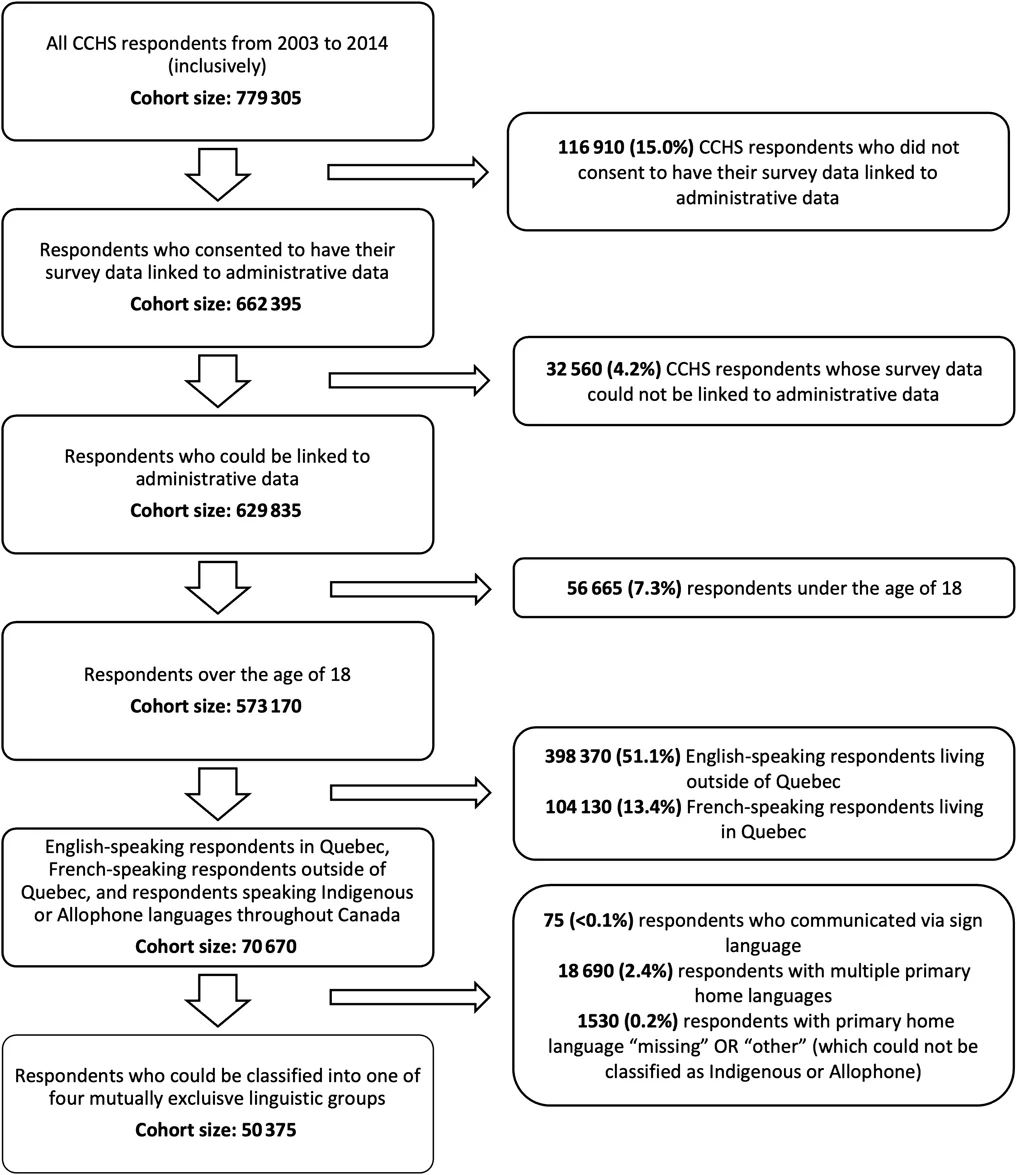
Among 50,375 Canadian Community Health Survey respondents, a population-based retrospective cohort study examined whether sharing a language with a regular doctor was linked to death from any cause. The researchers linked surveys from January 2003 through December 2014 to mortality records through December 2017.
They defined a language match as agreement between the language spoken most often at home and the language spoken with the regular doctor. They grouped home languages as English, French, Indigenous or other languages. Matching was associated with lower death risk among French speakers outside Quebec and speakers of other languages. For French speakers outside Quebec, the range of likely values included no difference.
Why it matters
Long-term survival matters to health across the lifespan. The authors suggest that matching patients and doctors by language, or using interpretation services, could potentially improve survival in linguistically diverse populations.
Caveats
People with language-matched doctors may also have differed in health or access to care in ways that affected survival. The reported lower-risk links concerned French speakers outside Quebec and speakers of languages other than English, French or Indigenous languages.
Where the evidence stands
Patient-physician language concordance
- 1 lab in 1 country
- Funders: Gouvernement du Canada | Canadian Institutes of Health Research and 4 more
- 2 of 2 findings with company ties
From the paper
- Participants
We studied 50 375 respondents, including 7185 English-speaking respondents, 16 100 French-speaking respondents, 1970 Indigenous-language-speaking respondents, and 25 210 Allophone-language-speaking respondents (see ).
- Result
In the adjusted models, patient–physician language concordance was associated with a significantly lower risk of all-cause death for both French-speaking respondents outside of Quebec (HR 0.89, 95% CI, 0.79-1.00) and Allophone-language-speaking respondents (HR 0.73, 95% CI, 0.65-0.83).
- Limitation
First, the CCHS sampling frame excluded individuals living on First Nations communities in the provinces, resulting in small sample sizes for Indigenous-language-speaking respondents.
Quoted word for word from the full text on PubMed Central.
The paper
University of Ottawa; George & Fay Yee Centre for Healthcare Innovation
AJE Advances, Jul 1, 2026, Open access


Comments
Be the first to comment.