Combined training changed brain signals in frail older adults
An eight-week randomized trial in 30 frail and pre-frail older adults compared combined thinking and movement training with movement training alone, finding changes in attention-related brain signals.
Our read
Interventions- Studied:
- Randomized trial in 30 frail and pre-frail older adults, against movement-training-only participants
- What changed:
- Attention- and action-related brain responses increased with combined training, but not with movement training alone
- The catch:
- Brain signals during a laboratory task do not demonstrate better everyday functioning
- In the record:
- The 16th paper on cognitive-motor dual task training with results in people; 18 on record in all.
Editor of record: Boris Djordjevic · AgingResearch.News
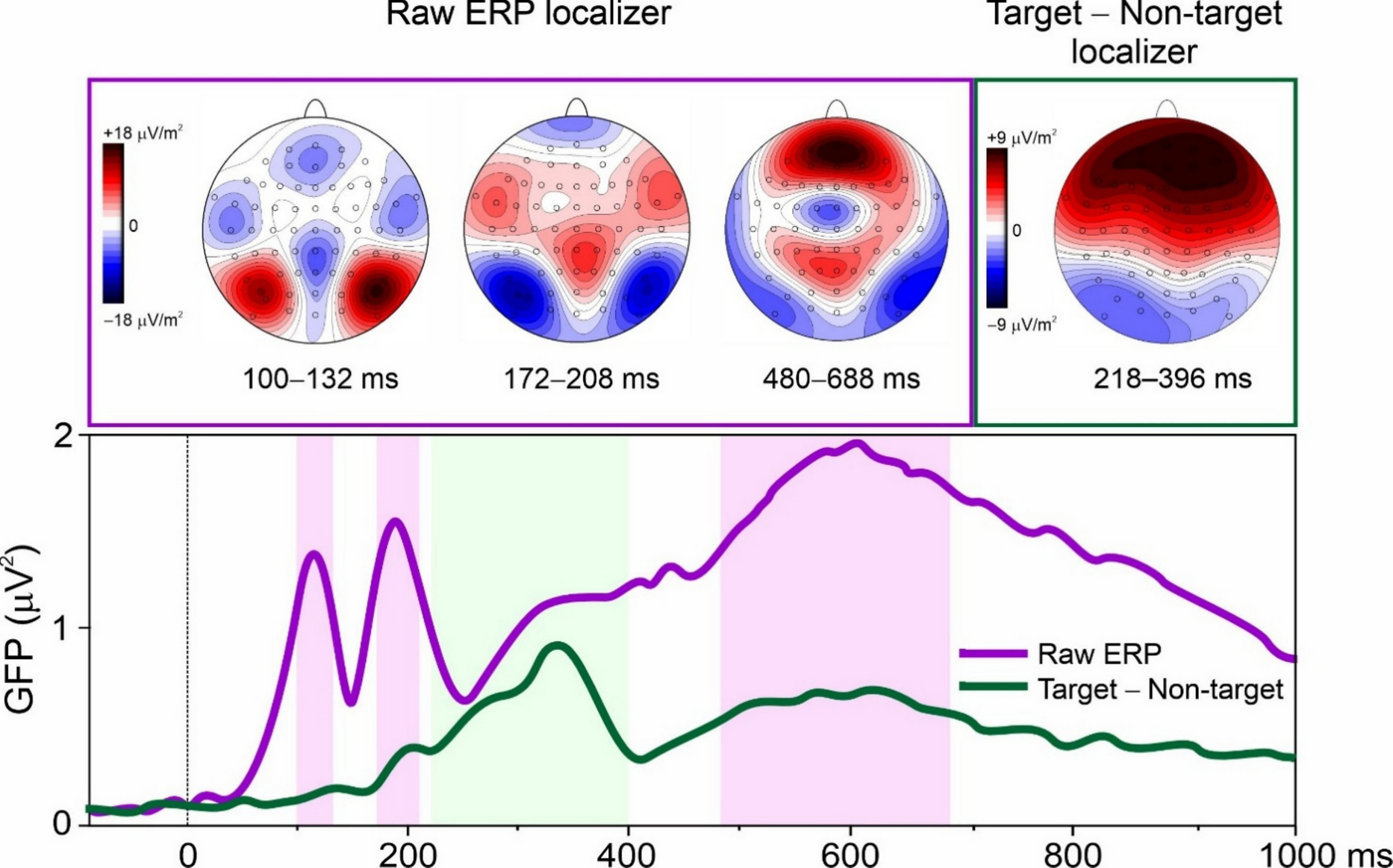
Thirty frail and pre-frail older adults completed an eight-week randomized controlled trial comparing combined thinking and movement training with movement training alone. The researchers recorded electrical brain activity through scalp sensors before training, midway through and afterward. During recordings, participants performed a visual task that required responding to some signals but not others.
The combined-training group showed progressive increases in one brain response, suggesting better selection of information for attention. Another response increased, suggesting improved linking of visual signals to actions. The movement-only group showed no comparable changes. Two other measured responses showed no training-related changes. An exploratory combined measure also showed coordinated changes in brain signals before and after a stimulus.
Why it matters
The authors suggest that coordinated brain responses linking perception to action could help measure the ability to adapt in frail aging.
Caveats
Changes in brain signals during a laboratory task do not by themselves show better everyday functioning. The findings may not extend to older adults without frailty.
Where the evidence stands
Cognitive-motor dual task training
- 13 independent labs in 9 countries
- 3 trials
- Funders: European Commission and others

Comments
Be the first to comment.