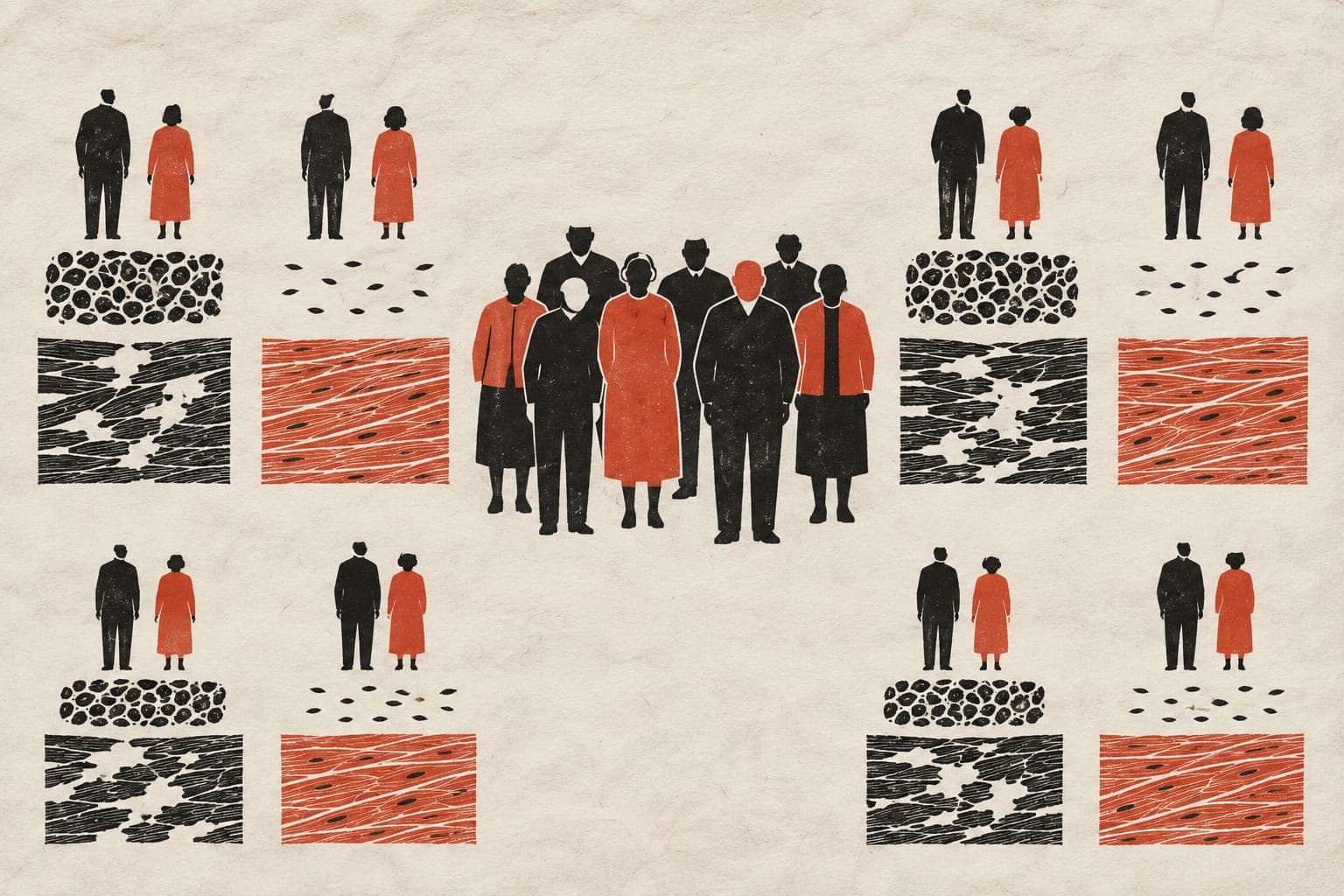
Beyond longevity: Psychological and functional predictors of successful aging among the oldest-old (85+)
Declared no competing interests
Abstract
AIMS: As the global population ages, understanding successful aging among the oldest-old (≥ 85 years) is critical. We move beyond Rowe and Kahn's model to examine multidimensional predictors of successful aging in South Korean adults aged 85 and above. METHODS: The participants in this descriptive study were 131 oldest-old adults. Psychological (self-efficacy and depression) and functional (cognitive function and activities of daily living [ADL]) factors were analyzed using the General Self-Efficacy Scale, Geriatric Depression Scale-Short Form, Mini-Mental State Examination, and ADL scale, as well as the Successful Aging Scale. RESULTS: Multiple regression analysis revealed self-efficacy as the strongest positive predictor of successful aging (β = 0.478, p < .001), followed by education (β = 0.168, p = .010). Depression was negatively associated with successful aging (β = -0.221, p = .003). Notably, functional factors (cognition and ADL) showed no significant predictive value. The model explained 57.4% of the variance (R² = .574), suggesting that psychological factors showed stronger association with successful aging than functional variables in this demographic. CONCLUSION: Interventions targeting self-efficacy enhancement and depression reduction, rather than solely functional support, are essential for promoting well-being in the oldest-old. Policy initiatives should prioritize psychosocial programs alongside functional maintenance to optimize quality of life in super-aged societies.
- Depression
- ADL scale
- General Self-Efficacy Scale
- Geriatric Depression Scale-Short Form
- Mini-Mental State Examination
- Humans
The paper
Jeonbuk National University; Jeonbuk National University Hospital
Geriatric Nursing, 26 Aug 2026