Modern Obesity Treatment: Efficacy, Safety, and Future Directions of GLP-1 (Glucagon-Like Peptide-1) and GIP (Glucose-Dependent Insulinotropic Polypeptide) Receptor Agonists
Abstract
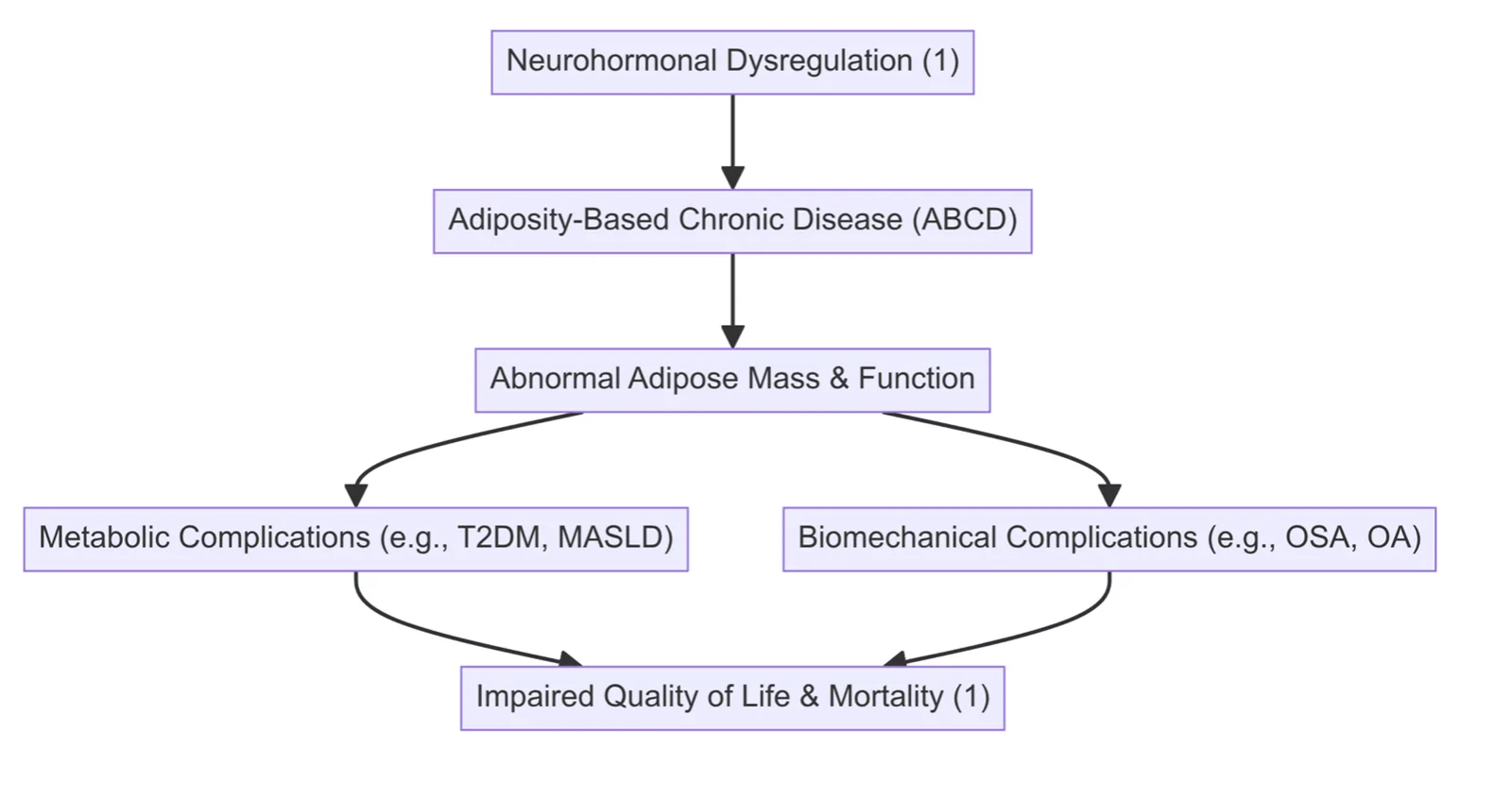
Obesity is a chronic and heterogeneous disease associated with a substantial burden of metabolic, cardiovascular, hepatic, and renal complications. In recent years, incretin-based therapies have changed the pharmacological management of obesity by providing levels of weight reduction that were previously difficult to achieve with medical treatment alone. This narrative review summarizes current evidence on the efficacy, safety, and broader clinical effects of glucagon-like peptide-1 (GLP-1) receptor agonists and dual glucose-dependent insulinotropic polypeptide (GIP)/GLP-1 receptor agonists in adults with overweight or obesity. Relevant literature was identified through searches of major medical databases, with emphasis on randomized controlled trials, meta-analyses, systematic reviews, clinical guidelines, and pivotal phase 2 and phase 3 trials. Liraglutide established the role of GLP-1 receptor agonism in weight management, while semaglutide provided greater and more sustained weight reduction. Tirzepatide, a dual GIP/GLP-1 receptor agonist, produced greater weight loss than semaglutide in direct comparative studies. Beyond weight reduction, incretin-based therapies have demonstrated favorable effects on glycemic control, cardiovascular risk, kidney outcomes, metabolic dysfunction-associated steatotic liver disease, and quality of life. Gastrointestinal adverse effects, particularly nausea, vomiting, and diarrhea, remain the most common limitations and are most prominent during dose escalation. Emerging multi-receptor and combination therapies, including retatrutide, CagriSema, MariTide, and amycretin, may further expand treatment options, although long-term efficacy and safety data remain limited. Overall, incretin-based therapies support a shift from weight-centered obesity treatment toward individualized, complication-oriented long-term care.